Source Custom PVC Rexine Synthetic Leather for Bags, Shoes, and Furniture
Find 30 listings for custom pvc rexine synthetic leather with options for embossed patterns, waterproof features, and various thicknesses. Compare specifications for applications in bags, shoes, and furniture, noting available customization and MOQs; compare the available evidence and request quotations based on your requirements.
Key considerations
Products List




Comprehensive Sourcing Guide
Custom PVC Rexine Synthetic Leather Sourcing Guide
Procuring custom PVC rexine synthetic leather requires a clear understanding of the material's versatility across diverse industries, from automotive interiors to fashion accessories. The observed market data indicates that these materials are frequently engineered for specific end-uses such as car seats, bags, footwear, and home textiles, with thicknesses ranging from 0.6mm to 1mm. Buyers must recognize that while the core polymer is PVC, the final product often features a cotton-velvet imitation backing to enhance tactile comfort and drape. This combination allows manufacturers to achieve a premium feel while maintaining the durability and cost-efficiency inherent to synthetic leather production.
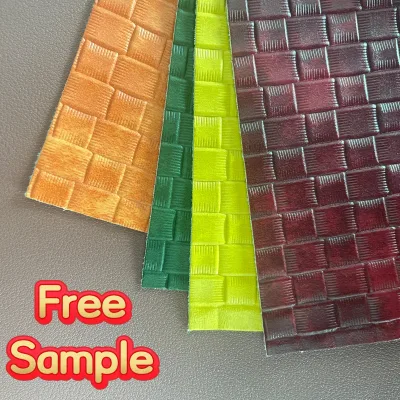
Sourcing decisions should be driven by the specific customization capabilities observed in current listings, which include adjustable colors, embossed patterns, and tailored thicknesses. The availability of free samples and the option to customize the backing technics, such as knitted structures, provide buyers with the flexibility to prototype before committing to large volumes. However, procurement teams must verify that the "finished" state of the material aligns with their production line requirements, as some listings specify a glossy or smooth hand feel that may necessitate specific finishing processes before the material can be cut or sewn into final goods.
Product Scope and Observed Listing Signals
The product scope for custom PVC rexine extends significantly beyond simple upholstery, encompassing applications in raincoats, golf equipment, belts, and decorative items. Listings consistently highlight features like anti-mildew properties, elasticity, and water resistance, which are critical for outdoor gear and high-wear environments. The observed width of 54 to 55 inches suggests a standard roll format suitable for industrial cutting, yet buyers must confirm if this width accommodates their specific pattern layouts to minimize waste. The presence of multiple model numbers, such as G1078 and V1384, indicates a wide variety of textures and finishes available within the same material family.
Buyers should scrutinize the listed usage tags to ensure the material matches their intended application, as some variants are explicitly designed for footballs or notebooks while others target furniture or garment lining. The distinction between "embossed" and "finished" patterns is a key signal for visual design, allowing for either textured or smooth aesthetic outcomes. Additionally, the observation that packing is typically done with PE film or poly bags highlights the need for protective measures during transit to prevent surface scratches or moisture damage, which could compromise the glossy or soft hand feel essential for high-end consumer products.
Technical Specifications to Verify
Technical verification must begin with the precise thickness range, which is frequently cited between 0.6mm and 1mm, though specific models may lock into exact measurements like 0.6mm or 0.8mm. This dimension directly impacts the material's stiffness, drape, and suitability for rigid applications like bags versus flexible uses like garment lining. Buyers should request physical samples to confirm that the stated thickness is consistent across the entire roll, as variations can lead to uneven stitching or poor fit in automated manufacturing processes. The standard roll length of 50 meters is a common baseline, but some suppliers may offer different roll sizes, necessitating a calculation of total coverage versus waste.
The backing technics and hand feel are equally critical technical parameters that define the final product's performance. While many listings specify a cotton-velvet imitation backing, others may utilize knitted structures to provide superior elasticity and softness. The tactile attributes, described as smooth, glossy, or soft, must be validated against the end-user's expectations, as these properties influence the perceived quality of the finished good. Furthermore, the material's ability to be customized in color and pattern requires a clear definition of the production tolerances, ensuring that the final output matches the approved digital or physical swatch exactly.
Compliance and Safety Documentation
Compliance verification for PVC rexine should focus on chemical safety and environmental standards, particularly regarding the absence of harmful substances like DMF. The observed data explicitly mentions "DMF Free" as a key attribute, which is a critical requirement for products intended for children, automotive interiors, or direct skin contact. Buyers must request current test reports to confirm that the material meets relevant regional regulations, such as REACH, even if specific certification documents are not immediately visible in the listing. This due diligence ensures that the supply chain remains free from restricted substances that could lead to product recalls or legal liabilities in export markets.
Hydrolysis resistance is another vital safety and durability metric that requires specific documentation, with some listings noting a performance benchmark of 2 weeks under test conditions. This data point is essential for applications exposed to humidity or moisture, such as car seats or outdoor furniture, where material degradation can compromise structural integrity. Procurement teams should demand hydrolysis test certificates from the supplier to validate these claims, as the longevity of the synthetic leather depends heavily on the quality of the PVC formulation and the bonding agents used in the backing. Without verified test results, the risk of premature failure in the field remains unquantified.
Cost Drivers and Commercial Terms
Cost structures for custom PVC rexine are heavily influenced by the minimum order quantity (MOQ) and the complexity of customization. Observed MOQs vary significantly, ranging from 40 units to 1500 meters, with specific color requirements often demanding a minimum of 1000 meters per shade. This tiered pricing model means that smaller buyers may face higher per-unit costs or need to consolidate orders across different product lines to meet volume thresholds. The price range of 0.78 to 5.39 USD reflects the diversity in thickness, backing type, and finish, requiring buyers to align their budget with the specific technical specifications required for their application.
Commercial terms also play a pivotal role in the total cost of ownership, with payment methods typically limited to TT or LC. The standard delivery lead time of 30 days must be factored into production planning, especially for time-sensitive projects like fashion collections or automotive launches. Buyers should negotiate packing specifications, such as the 30-50 meters per roll standard, to optimize shipping volume and reduce freight costs. Additionally, the availability of free samples can reduce initial prototyping expenses, but the cost of shipping these samples and the time required for evaluation should be included in the overall procurement timeline.
Supplier Qualification and Quality Control
Supplier qualification should prioritize manufacturers with a proven track record in producing PVC rexine for specific industries, such as automotive or footwear. The observation that products originate from China, specifically Jiangsu, suggests a concentrated manufacturing hub with established supply chains, but buyers must verify the specific factory's capacity to handle custom orders. Quality control protocols should include rigorous inspection of the hand feel, color consistency, and backing adhesion, as these are common points of failure in synthetic leather production. Requesting a factory audit or video verification of the production line can provide assurance that the supplier has the necessary equipment to maintain the required standards.
Quality assurance processes must also address the consistency of the "finished" state and the durability of the embossed patterns. Since the material is often used in high-wear applications like shoes and bags, abrasion resistance is a non-negotiable quality metric. Buyers should establish a clear acceptance criteria based on the observed features, such as waterproofing and elasticity, and require pre-shipment inspections to ensure that the delivered goods match the approved sample. The ability to customize the product model number and specifications indicates a flexible manufacturing process, but this flexibility must be balanced with strict quality control measures to prevent defects in the final batch.
Long-Term Procurement Checks
Long-term procurement success depends on establishing a reliable supply chain that can consistently meet volume and quality demands over time. Buyers should monitor the supplier's ability to maintain the 50-meter roll standard and the 30-day delivery lead time as production scales up. Regular communication regarding raw material availability and potential supply chain disruptions is essential to prevent delays in the production of finished goods. Additionally, maintaining a relationship with the supplier for ongoing customization needs ensures that the material can evolve with changing design trends and consumer preferences without requiring a complete supplier switch.
Continuous quality monitoring is vital to ensure that the material's performance characteristics, such as anti-mildew properties and hydrolysis resistance, remain consistent across different production batches. Buyers should implement a system for periodic re-testing of samples from new shipments to verify that the DMF-free status and other safety attributes have not degraded. Establishing a feedback loop with the supplier allows for the rapid resolution of any quality issues, ensuring that the custom PVC rexine continues to meet the rigorous standards required for high-end applications. This proactive approach mitigates the risk of supply chain interruptions and maintains the integrity of the final product.
FAQs
What customization options are available for this synthetic leather?
Customization is available for color, pattern, and specific dimensions to meet your unique requirements. You can request tailored solutions for applications like bags, shoes, or furniture. The material supports various finishes including embossed or glossy textures while maintaining durability and softness for diverse industrial uses.
How thick is the custom PVC rexine synthetic leather product?
The thickness ranges from 0.6mm to 1mm depending on the specific model selected. Some variants offer precise measurements like 0.6mm, 0.7mm, or 0.8mm for specialized applications. This range ensures suitability for items ranging from lightweight linings to durable car seats and decorative furniture components.
Can I get a free sample before placing a large order?
Yes, free samples are available for evaluation before committing to a bulk purchase. This allows you to verify the softness, elasticity, and waterproof features firsthand. Samples help confirm the material quality for uses like golf bags, belts, or home textiles before you proceed with the minimum order quantity.
What is the minimum order quantity for this synthetic leather?
The minimum order quantity varies between 40 and 1500 units depending on the supplier and specific product model. Some listings specify 500 meters or 1000 meters per color as the baseline requirement. Buyers should check individual product pages to confirm the exact MOQ applicable to their chosen customization and thickness.
Which features make this material suitable for car seats and bags?
This material features anti-mildew, waterproof, and abrasion-resistant properties ideal for high-wear applications. Its soft, smooth, and elastic hand feel ensures comfort for car seats and flexibility for bags. The backing mimics cotton velvet, providing durability while maintaining a premium aesthetic for furniture and garment uses.
How long does it take to receive an order after payment?
The standard delivery date is approximately 30 days after payment confirmation. This lead time covers production and packaging with PE film or poly bags. Buyers should account for this duration when planning inventory for seasonal demands in sectors like footwear, home textiles, or automotive interiors.
What certifications or safety standards apply to this synthetic leather?
The product is DMF free and meets hydrolysis resistance standards of 2 weeks. While REACH and ISO 10993 are noted in background data, specific certifications should be verified with the supplier. The material ensures safety for direct contact applications like gloves, linings, and children's items without harmful chemical residues.